 This site's tour
Guides
Language
EnglishCurrency
US dollar · $GetYourGuide uses the currency you choose.
Guide · Temple etiquette
Bali temple dress code and the rules inside
The Bali temple dress code is simple once you know it: a sarong, a sash and covered shoulders. Here is what each big temple provides, who may not enter, and how to behave once you are in.
Check availabilityfrom $28 · free cancellation
Editorial team, balitempletour.comUpdated October 24, 2026Reading time 6 min22 sources
The rules in short
- 01Cover up
- Shoulders and knees covered; sarongs and sashes usually provided.1
- 02Behave
- Move quietly, speak softly, follow the temple officials.2
- 03Offerings
- Never step on the canang sari laid on the ground.2
- 04Who may not enter
- At Uluwatu, women who are menstruating, under local custom.3
- 05Photos
- Ask before photographing a ritual.4
Why the rules exist
The Bali temple dress code is not a tourist rule invented for visitors. The Ministry of Tourism reminds travellers that temples are sacred places where people pray, make offerings and hold festivals, not museums.5 Dressing properly is how you show that you understand you are a guest in someone else's place of worship.
The basic standard is the same everywhere: modest clothing that covers your shoulders and knees, and a sarong and sash, which are usually provided at the entrance.1 Balinese worshippers wear a fuller version of the same dress, the kamen, a sash and, for men, a headcloth, and you will see families in it at every temple you visit.
Most temples are laid out in three courts, from a public outer court through a middle court where offerings are prepared to the inner court with the shrines.6 Rules grow stricter as you go in. Some inner areas are for worshippers only, and at Uluwatu, for example, only Hindus may enter the smaller inner temple.7
At the gate
Entering a temple, in order
-
Before you go
Dress
Shoulders and knees covered, long trousers or a sarong.
-
At the counter
Sarong and sash
Usually provided at the entrance.1
-
At some temples
Purification
At Lempuyang a short holy-water rite comes first.
-
In the courts
Move quietly
Speak softly and follow the temple officials.2
-
Near shrines
Keep off
Do not sit or stand on altars or shrines.8
-
At rituals
Ask first
Ask before photographing any ritual.4
What to wear in Bali temples, step by step
Knowing what to wear in Bali temples saves you a lot of fuss at the gate. Start with a shirt or blouse that covers your shoulders; a T-shirt is fine, a tank top is not. One tour that visits Besakih tells guests to skip outfits that are overly casual or revealing, shorts and tank tops included.
Below, wear long trousers or a long skirt, or tie a sarong over shorts. The tour on this site asks guests to wear long trousers or bring a sarong for the temple visits. At the gate you add the sash, tied around the waist over the sarong; at most big temples it is handed out with the sarong.9
Shoes matter more than you might think. Many temples are reached by long flights of stairs, and at Tirta Empul the floors are wet. Sandals with grip that you can slip off quickly work best, since you may be asked to leave footwear outside some shrines. Leave beachwear, flashy jewellery and anything with slogans for another day.
Temple by temple
Where you get a sarong
| Temple | Sarong and sash | Note |
|---|---|---|
| Uluwatu | Provided at the entrance | Cover shoulders and knees |
| Lempuyang | Included in the ticket | Purification before entry |
| Besakih | Rent at the entrance | Required for every visitor |
| Tirta Empul | Rent for Rp10,000 to 15,000 | Bring dry clothes for melukat |
| Goa Gajah | Given if you wear shorts | Tied around the waist |
| Ulun Danu Beratan | Sash provided | Or wear temple dress |
From the Uluwatu temple management, the Ministry of Tourism, Wikipedia and the tour notes for this site.9101112131415
Guided temple days
Let a guide handle the gate
This site's tour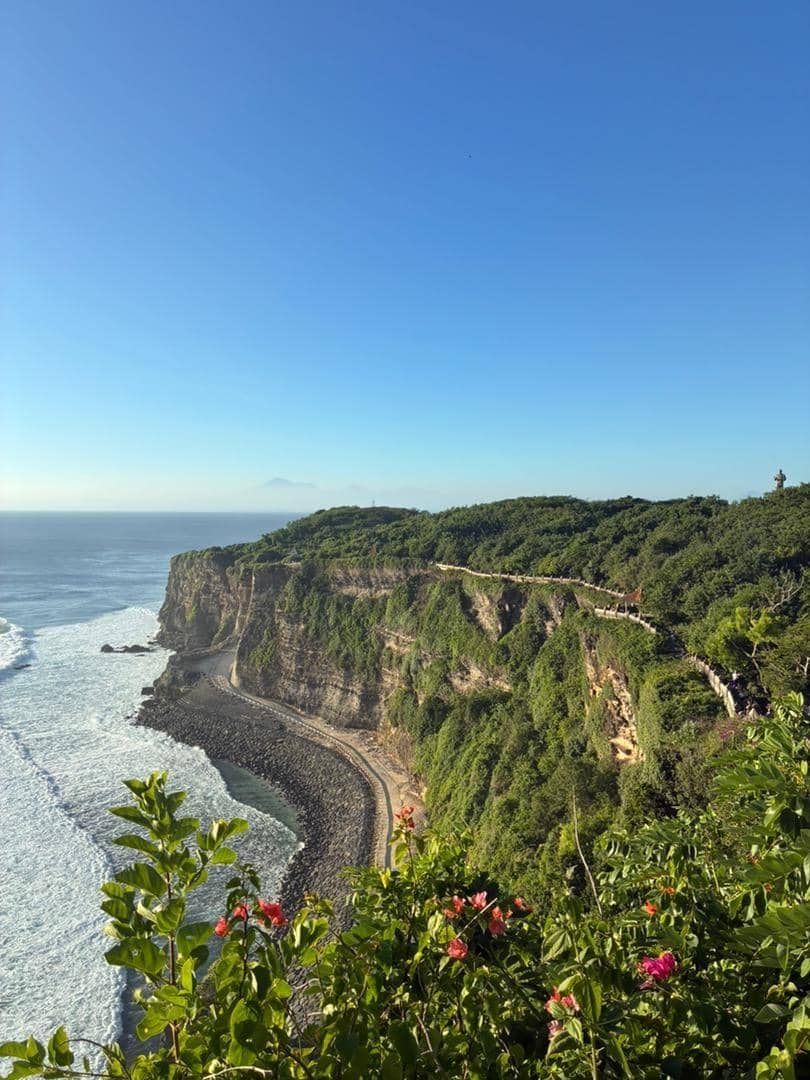 Sunset and kecak
 Take part
Decision helper
What should you do in each case?
Common situations at the temple gate
To enter the temple grounds, wear modest clothing that covers the shoulders and knees. Sarongs and sashes are usually provided at the entrance.
The sarong at each big temple
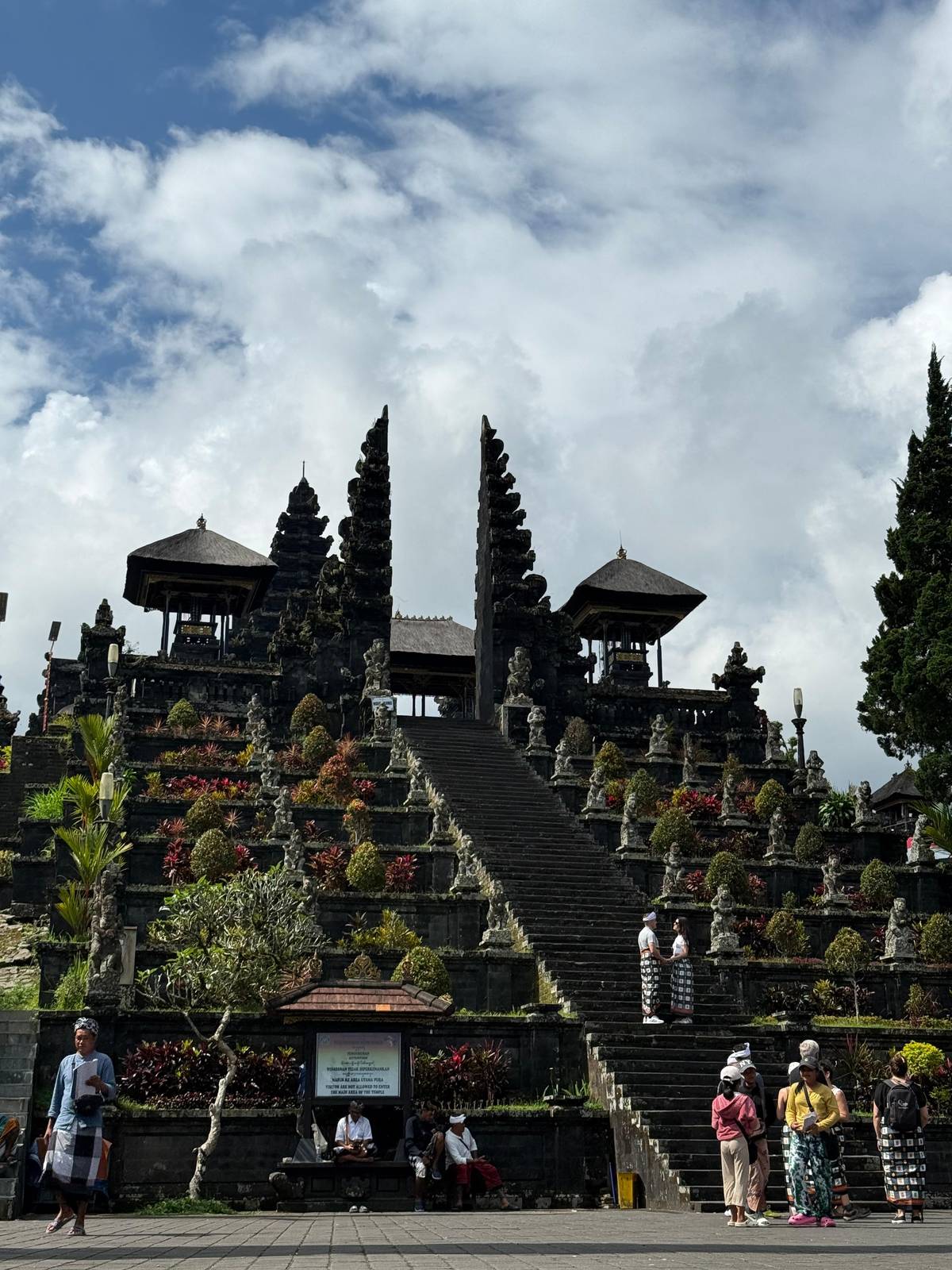
You rarely need to bring your own sarong. At Uluwatu, visitors must wear a sarong and sash, and both are provided at the entrance.9 At Lempuyang, the Ministry says the ticket includes a sarong and sash.10 At Besakih, every visitor must wear a kamen and sash, which you can rent at the entrance if you have none.11
At Tirta Empul you can rent a kamen and shawl for around Rp10,000 to Rp15,000.12 At Goa Gajah, visitors who arrive in shorts are given a sarong to tie around the waist.13 At Ulun Danu Beratan, the Ministry asks visitors to wear temple dress or the sash that the management provides at the entrance.14
Even so, a sarong of your own is worth buying early in your trip. It costs little in any market, it saves you queuing for rentals, it works as a beach cloth and a shawl in the cool highlands, and it shows the people at the gate that you came prepared. Choose a plain one; the patterned ones are just as acceptable but harder to match.
Checklist
In your day bag
01
Wear
- A shirt that covers your shoulders
- Long trousers, a long skirt or a sarong
- Sandals you can slip off
02
Carry
- Small notes for rentals and donations
- A cord for glasses at Uluwatu
- Dry clothes if you bathe at a spring
Cost calculator
Price a guided temple day for your group
Pick a guided day, then type your party size.
People
Total from$55
pp from $28
Check availabilityfree cancellationThe total is each temple day's lowest GetYourGuide price times your party size, shown in your currency at today's ECB rate; the booking page confirms the real amount.
Video
How to wear the kamen, Balinese temple dress
The player loads on your tap, not before.
Who may not enter, and why
Several temples state that women who are menstruating may not enter. At Uluwatu it applies to the temple area under local custom, and at Ulun Danu Beratan the Ministry asks them not to visit the main sacred area.317 The tour on this site says the same for the sacred areas it visits.
At Lempuyang the Ministry adds that women who are menstruating, pregnant or in mourning may not perform rituals.18 These rules come from Balinese ideas of ritual purity, not from any judgement of visitors, and they are applied quietly. No one will ask questions; you are trusted to follow them.
Ceremonies can close areas to everyone. The tour notes for this site warn that inner areas may be restricted during temple ceremonies, and at Besakih the Ministry advises avoiding large ceremonies unless you are invited.19 If a gate is closed, accept it; there is always another court, another temple or another day.
Offerings, prayer and how to move
The Ministry's advice is short: move quietly, speak softly, follow the directions of temple officials, and never step on the canang sari, the small offerings laid on the ground.2 You will see these palm-leaf trays everywhere, on steps, at gates and in the middle of paths, and they are prayers, not litter.
Do not sit or stand on shrines or altars, and do not climb walls for a better view, as the Ministry asks at Lempuyang.8 Keep below the height of a priest at prayer where you can, never point your feet at a shrine, and do not walk in front of people who are praying. When in doubt, stop and watch what the Balinese around you do. If you are handed holy water or rice grains by a priest, it is fine to accept them; copy the people beside you, and do not worry about getting every gesture right, because the effort is what counts.
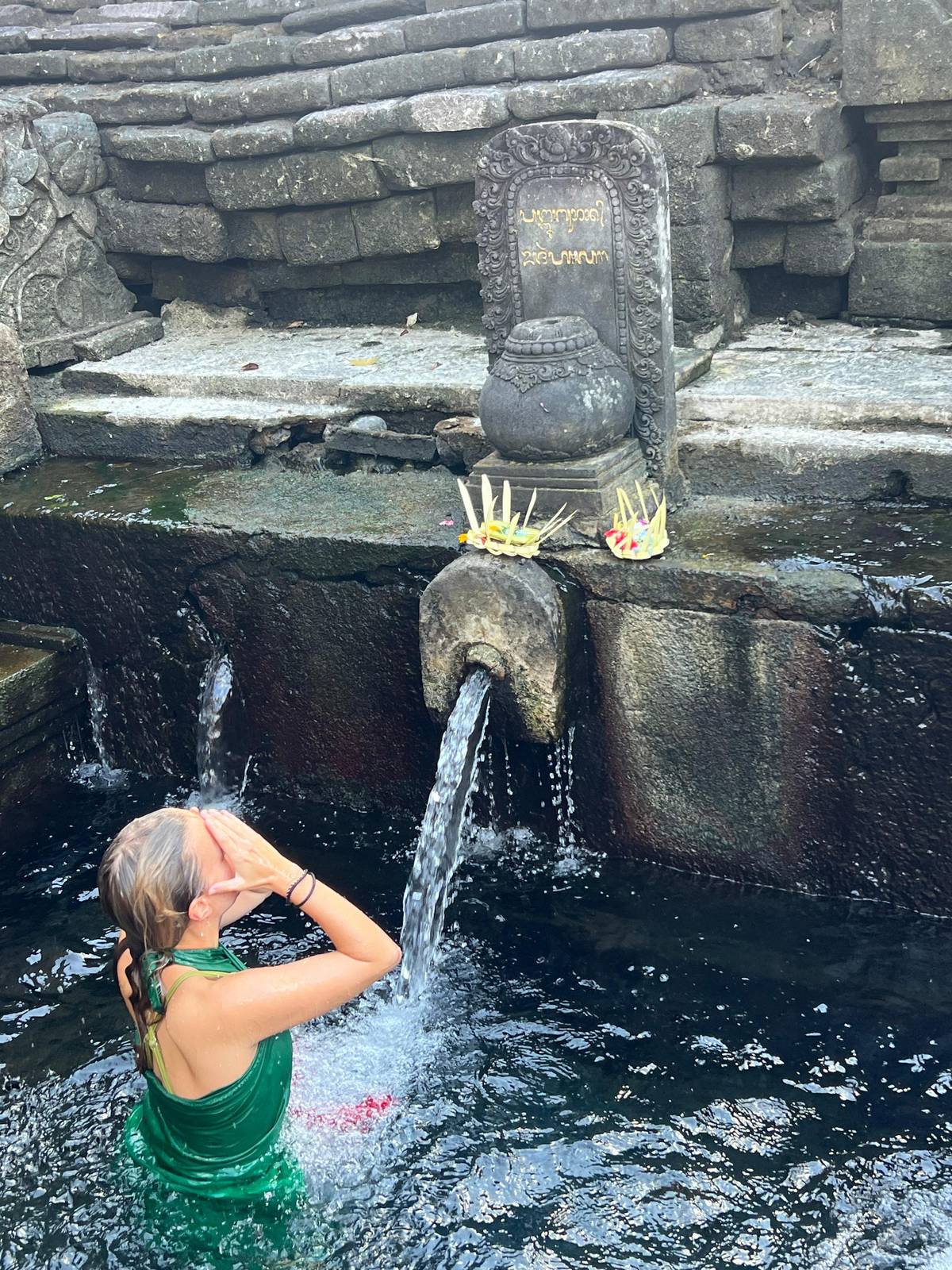
You are welcome to take part in some rituals. At Tirta Empul, the Ministry says the melukat purification is open to anyone, regardless of religion, and non-Hindus may enter the inner court if they are dressed properly.1620 Follow the attendants, and if you are unsure whether you are invited, ask.
Photos, drones and phones
Photography is allowed in most temple courts, but rituals are different. The Ministry asks visitors to ask local people or the temple priest before photographing a ritual, and not to take photos during a ceremony unless authorized.48 A camera pointed at someone at prayer is the most common way visitors give offence.
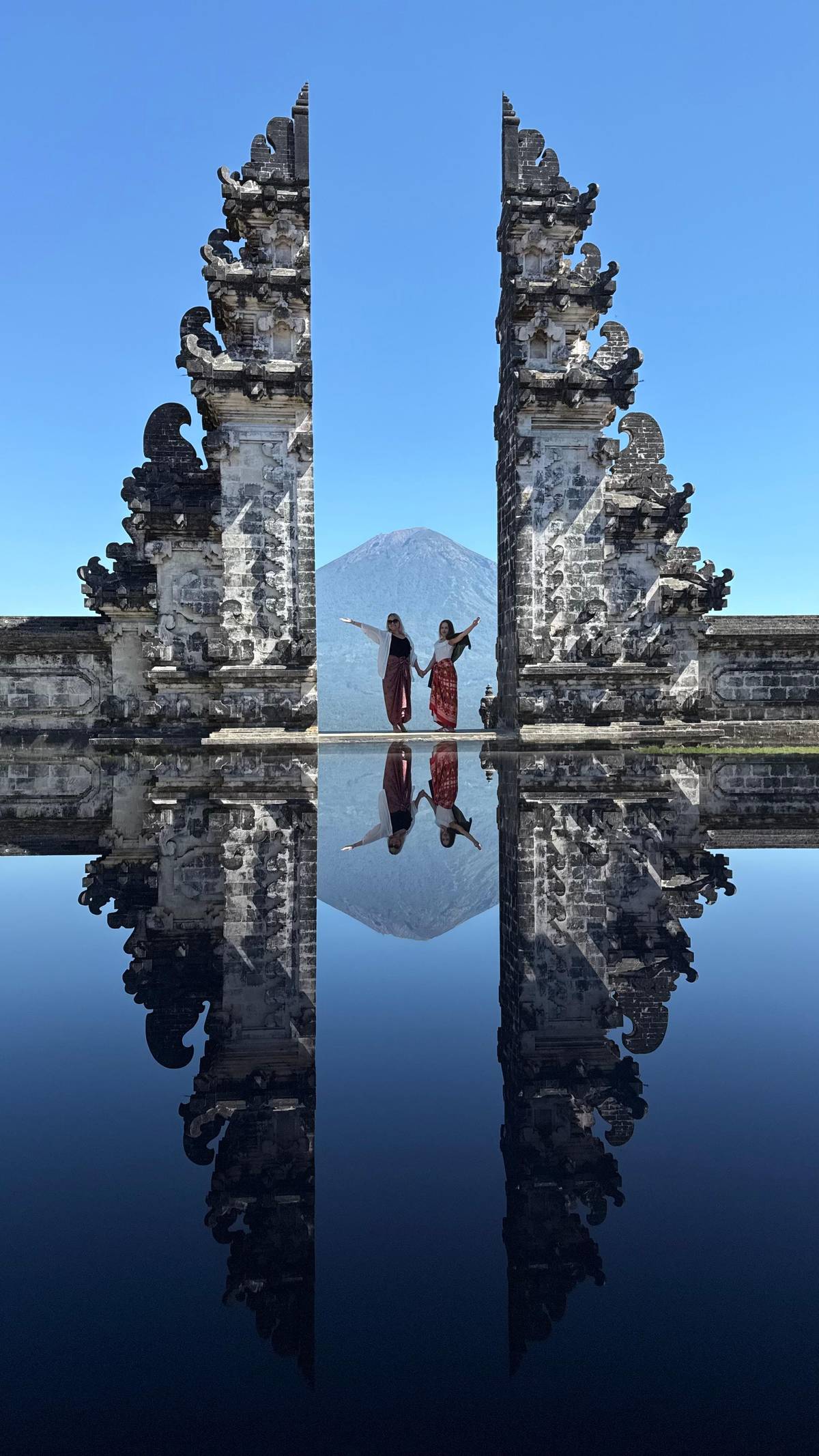
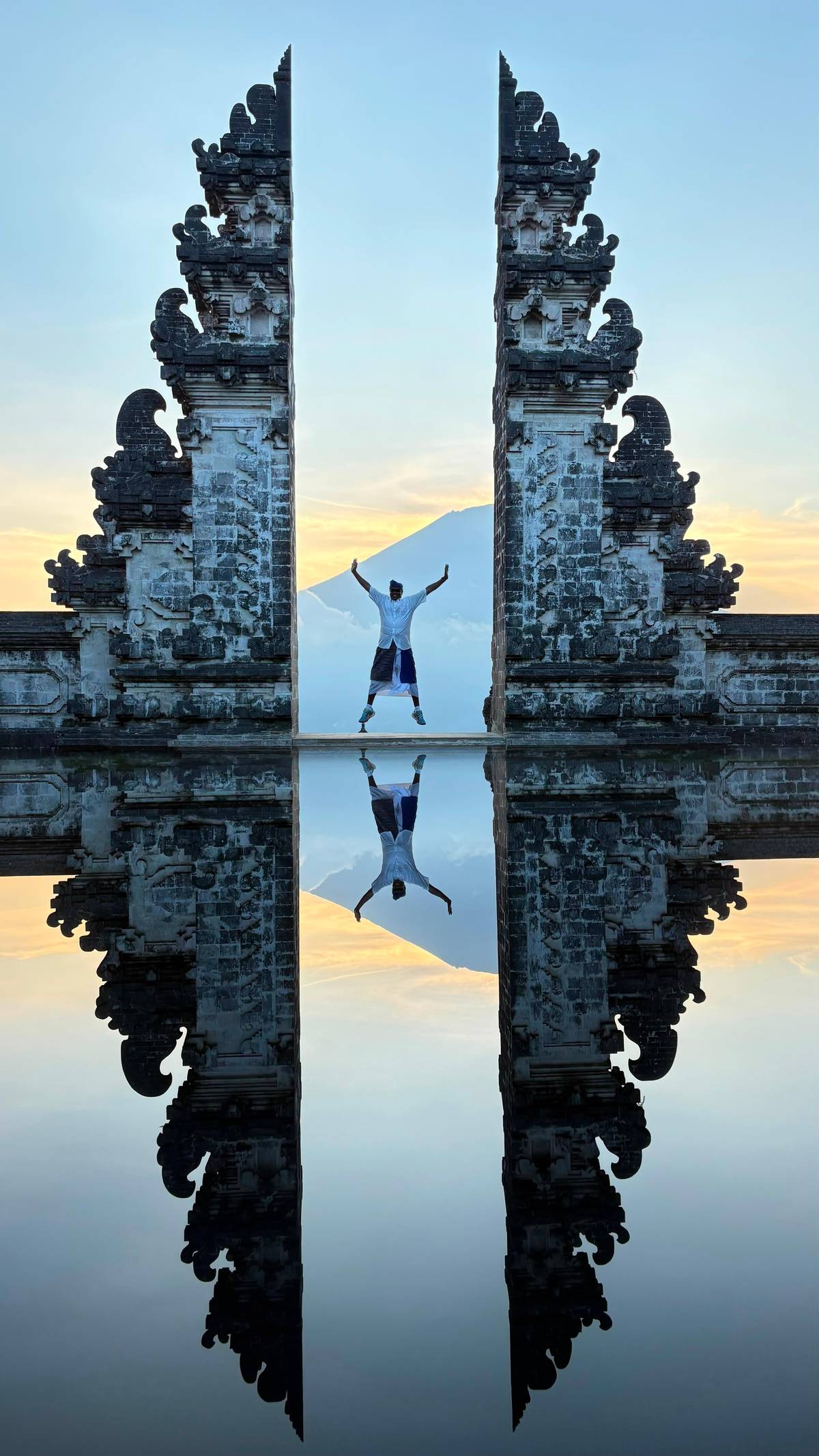
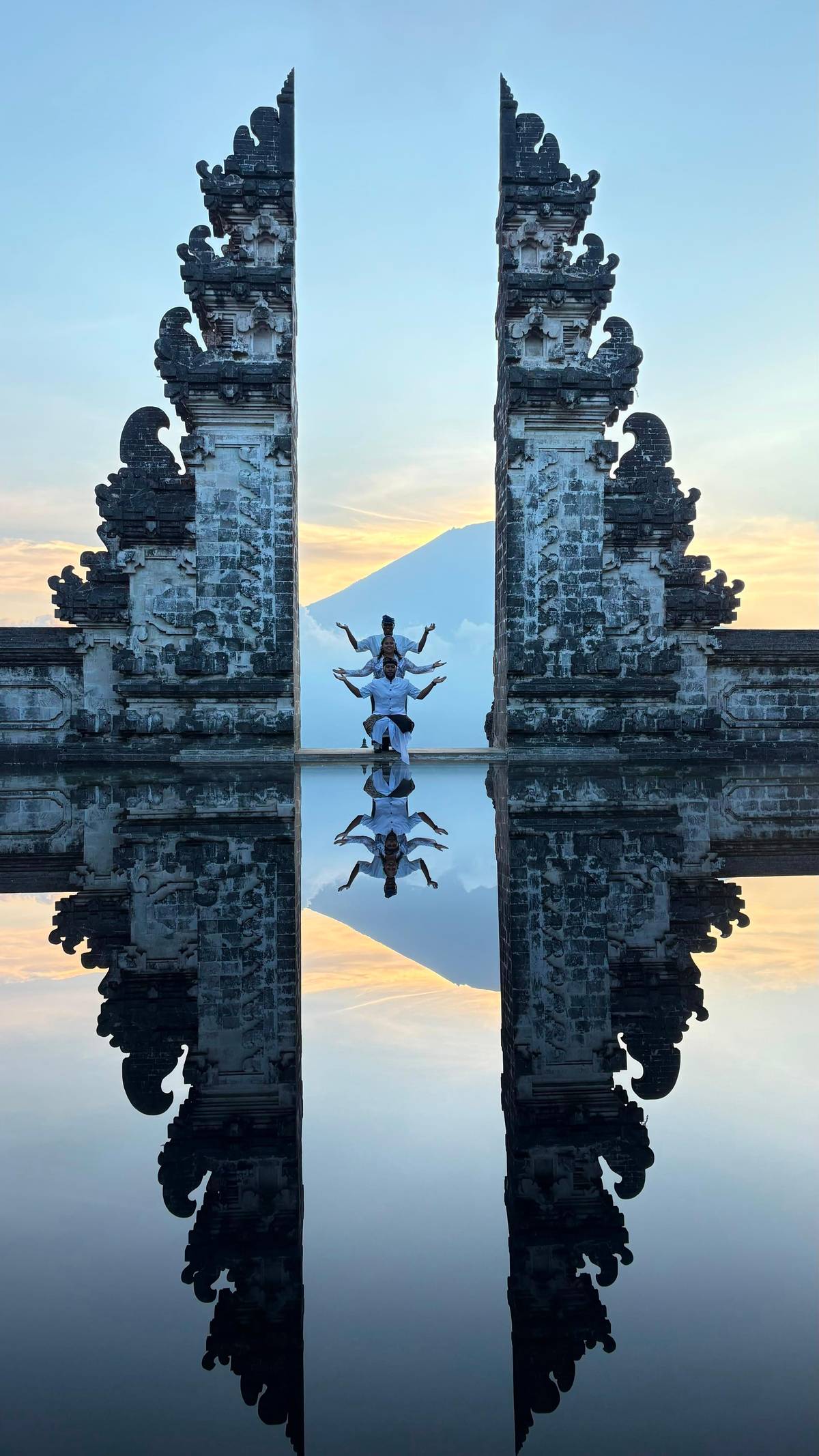
Drones may not be flown at Uluwatu without permission, and the same caution applies at every temple.21 Keep phones on silent, do not take calls in the inner courts, and never pose on shrines, walls or offerings for a picture. The famous gate at Lempuyang is a photo spot, but it is still the entrance to a temple.
At Uluwatu the macaques add a practical rule: the management asks visitors to secure sunglasses, hats and phones, because the monkeys take them.22 A wrist strap for your phone and glasses on a cord keep your hands free for the sarong, which has a habit of coming loose on the stairs.
On a temple tour
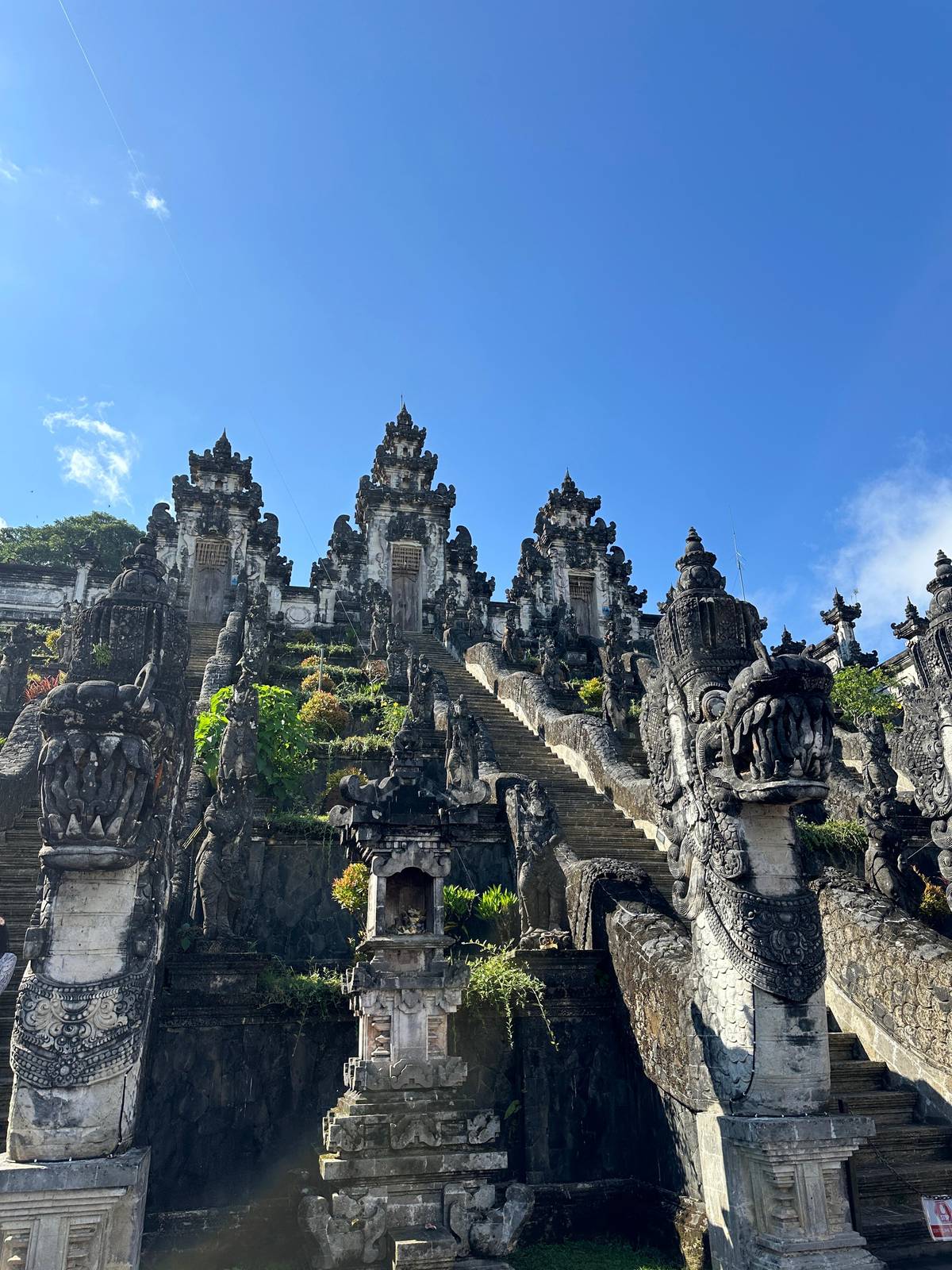
A guided tour takes care of most of this. The tour on this site visits Lempuyang, Tirta Gangga and Besakih in 9 to 10 hours, and a short Tirta Suci holy-water purification is required before you enter Lempuyang. Whether entrance fees are included depends on the option you book.
It has 3,587 reviews averaging 4.79 and starts from $28. Guides on such days usually explain the courts as you go, help with sarongs at the gate and tell you which areas are open. Ask them anything; most are glad to see visitors who care about getting it right.
Wherever you go, carry a little cash for rentals and donations, keep a sarong and a light shirt in your bag, and give yourself time. The right clothes and a slow pace do more than any rule list to make the temples feel welcoming, and they are the easiest part of the visit to get right.
Your temple day
Lempuyang, Tirta Gangga and Besakih in one day.
Pick a date and an option, and cancel free up to 24 hours before.


You ask,we answer.
What is the dress code for a temple in Bali?
Cover shoulders and knees. Wear modest clothing; sarongs and sashes are usually provided at the entrance.1
Do I have to bring my own sarong?
Usually not. Uluwatu provides one, and Lempuyang includes it in the ticket; at Tirta Empul you rent one.91012
Can I wear shorts to a Bali temple?
Only under a sarong. At Goa Gajah, visitors in shorts are given a sarong to tie around the waist.13
Can women on their period enter temples?
Not the sacred areas. Uluwatu and Ulun Danu Beratan ask women who are menstruating not to enter.317
Can non-Hindus join a ritual?
Some, yes. Melukat at Tirta Empul is open to anyone, regardless of religion.16
Can I take photos inside temples?
Yes, but not of rituals unasked. Ask local people or the priest first, and do not photograph ceremonies unless authorized.48
What are the small offerings on the ground?
Canang sari, never to be stepped on. The Ministry asks visitors to walk around them and not to disrupt rituals.2
Sources
Where the information comes from
- 1Indonesia Ministry of Tourism (indonesia.travel)11 Must-Visit Temples in Bali and How to Get There↩
- 2Indonesia Ministry of Tourism (indonesia.travel)11 Must-Visit Temples in Bali and How to Get There↩
- 3Indonesia Ministry of Tourism (indonesia.travel)Pura Uluwatu: Sejarah, Daya Tarik, dan Panduan Berkunjung↩
- 4Indonesia Ministry of Tourism (indonesia.travel)Menelusuri Keindahan Spiritual di Pura Ulun Danu Beratan Bedugul↩
- 5Indonesia Ministry of Tourism (indonesia.travel)11 Must-Visit Temples in Bali and How to Get There↩
- 6WikipediaPura Ulun Danu Bratan↩
- 7Bali Provincial Tourism Office (Dinas Pariwisata Provinsi Bali)Pura Uluwatu↩
- 8Indonesia Ministry of Tourism (indonesia.travel)Pura Lempuyang, the Iconic East Bali Gate of Heaven↩
- 9Uluwatu Temple management (official website)Uluwatu Temple: The Iconic Cliffside Temple of Bali↩
- 10Indonesia Ministry of Tourism (indonesia.travel)Pura Lempuyang, the Iconic East Bali Gate of Heaven↩
- 11Indonesia Ministry of Tourism (indonesia.travel)Visiting Pura Besakih, the Largest Hindu Temple in Bali↩
- 12Indonesia Ministry of Tourism (indonesia.travel)The Beauty of Pura Tirta Empul↩
- 13WikipediaGoa Gajah↩
- 14Indonesia Ministry of Tourism (indonesia.travel)Menelusuri Keindahan Spiritual di Pura Ulun Danu Beratan Bedugul↩
- 15Indonesia Ministry of Tourism (indonesia.travel)The Beauty of Pura Tirta Empul↩
- 16Indonesia Ministry of Tourism (indonesia.travel)The Beauty of Pura Tirta Empul↩
- 17Indonesia Ministry of Tourism (indonesia.travel)Menelusuri Keindahan Spiritual di Pura Ulun Danu Beratan Bedugul↩
- 18Indonesia Ministry of Tourism (indonesia.travel)Pura Lempuyang, the Iconic East Bali Gate of Heaven↩
- 19Indonesia Ministry of Tourism (indonesia.travel)11 Must-Visit Temples in Bali and How to Get There↩
- 20Indonesia Ministry of Tourism (indonesia.travel)The Beauty of Pura Tirta Empul↩
- 21Indonesia Ministry of Tourism (indonesia.travel)Pura Uluwatu: Sejarah, Daya Tarik, dan Panduan Berkunjung↩
- 22Uluwatu Temple management (official website)Uluwatu Temple: The Iconic Cliffside Temple of Bali↩